If you work in a company designing products or services, you’ve probably heard a lot about “the user”. “The user will realize…”, “The user won’t know how to…” and so forth. Of course, “the user” is usually mentioned when a situation of using a product or a service is discussed and no one in the room is sure what really happens then. In these cases, “the user” can be very accommodating, fitting the preconceptions of designers, engineers and managers alike trying to convince others of their point of view.
The idea that the experience of using a product or a service should be pleasant has penetrated all industries. However, companies are still largely unclear on how to design for user experiences. Because of this, decisions related to the use of products and services are mostly based on intuition that is disguised as vague references to users’ wants and needs. This is where “the user” comes into play. The intuition of a person who has a good amount of experience of designing a certain type of product or a service and interacting with its users can be more than enough for creating a great user experience. On the other hand, it’s almost never a good idea to rely on intuition when designing products and services without previous experience of them.
If the goal is to create products and services that people truly enjoy using, there really is no substitute for user research that includes at least observing and interviewing users in context. Of course, to fully benefit from user research, companies have to commit to it and make it an inseparable part of their processes. Ideally, a company would make user research the sole responsibility of one or several employees with the necessary expertise. Unfortunately, investing in activities that don’t produce readily measurable value is not an option for most companies.
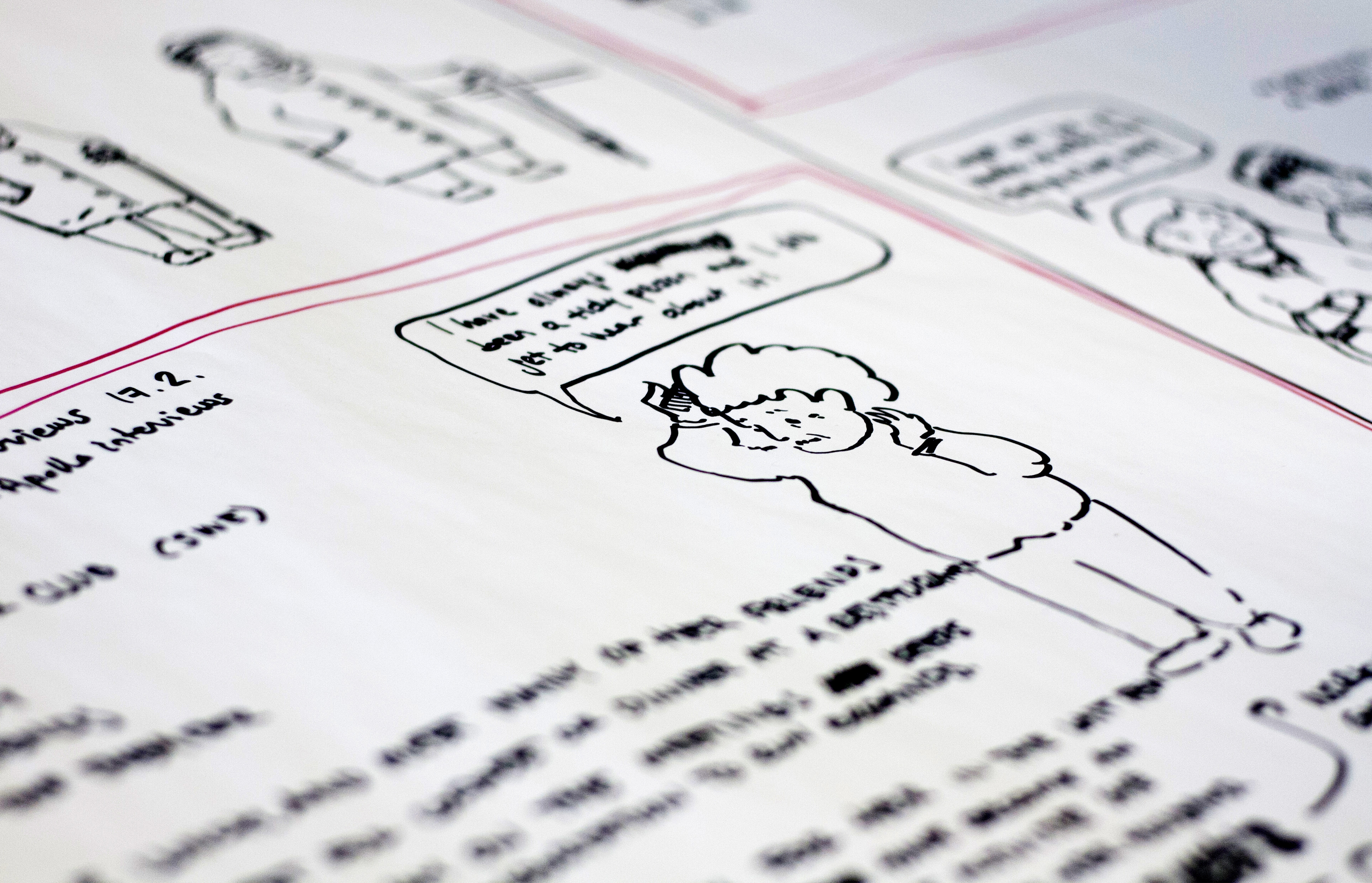
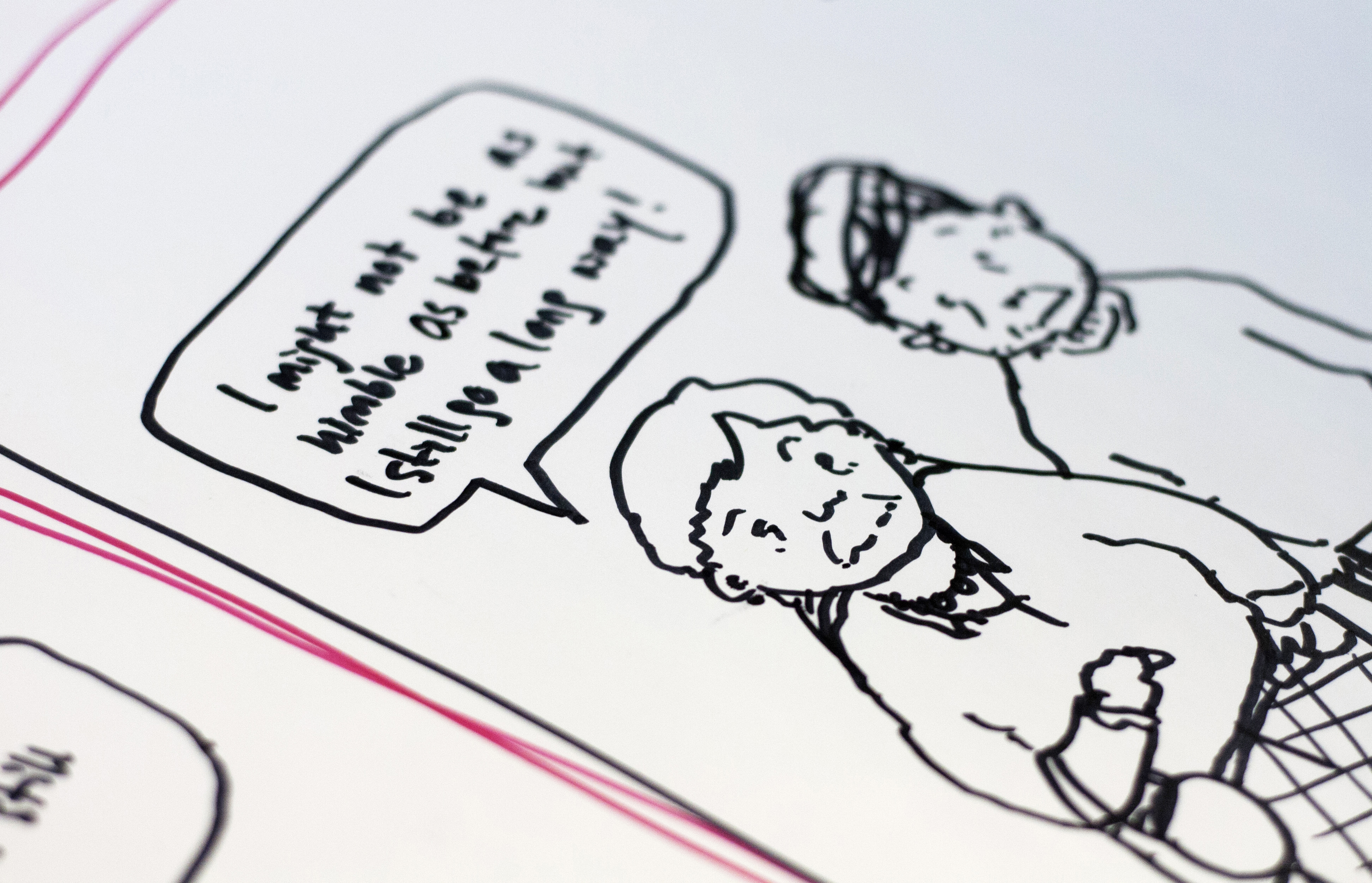 Figure 1. User personas is a valuable tool for injecting user research findings in design of products or services and communicating them to stakeholders. Illustrations by Elisa Pyrhönen.
Even if a company is able to integrate user research into its everyday activities and dedicate resources to it, it still has one major obstacle to overcome: applying the research findings to the design of their products or services. One effective tool for this is user personas. Personas are user models that synthesize user research findings related especially to the behavior of the eventual users of a product or a service. They help to specify requirements, communicate design intentions to stakeholders and create a common understanding of the design task at hand. (Cooper, Reimann & Cronin 2007, p. 75–88) Personas are represented as specific individuals, and as such, they give a face and a name to “the user” who no longer serves as a crutch for the uninformed.
References
Cooper, A., Reimann, R. & Cronin, D. (2007). About Face 3: The Essentials of Interaction Design. Indianapolis, IN: Wiley.
 In Words or Less